Tip 1: Vehicle Inspection & Defogging
Before departure, check your car’s lights, windshield wipers, and brakes to ensure they are in good working order. If any faults are found, repair them immediately—do not drive with issues.
On rainy, humid days, fog often forms on the windshield. To clear it, activate the fresh air circulation function. For models equipped with it, turn on rearview mirror heating to evaporate water droplets and fog.
Tip 2: Speed Control & Driving Precautions
- Turn on marker lights and fog lights in rain. Increase your following distance, maintain a safe speed, and stay alert to road conditions. Brake and decelerate early; avoid sudden braking or sharp turns.
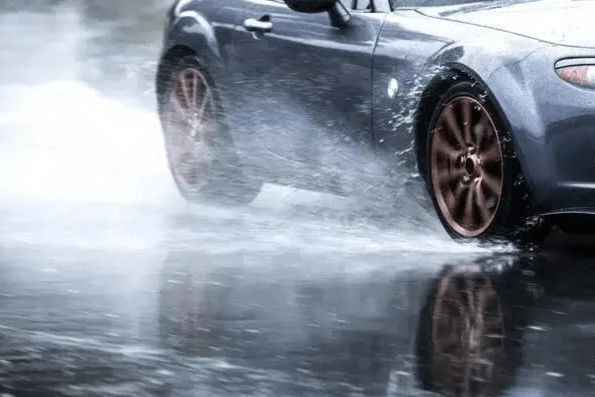
- Light rain is especially dangerous: water mixes with dust to create a slippery surface, reducing friction from ~0.7 to ~0.4. This increases the risk of skidding. Slow down, especially on curves or slopes.
- If your vehicle skids, hold the steering wheel firmly—do not overcorrect in the opposite direction.
- When passing through water, follow the vehicle ahead. If the water level is unclear or too deep, stop to assess or find an alternate route. If you must drive through, go slowly in low gear and maintain a steady speed—never stop mid-crossing. If your engine stalls, turn off the ignition immediately to avoid damage.
- Check the weather forecast and avoid traveling during thunderstorms. For mountain roads with sharp curves and steep slopes, adjust your travel plans to avoid rollover risks.
Tip 3: Protect Your Paint with a “Raincoat”
Rain contains acidic substances that slowly corrode your car’s paint and chassis, causing premature fading and damage. For cities with frequent rain, a paint protection film (PPF) is essential for year-round defense.
Chinex PPF uses advanced TPU material, offering:
- Strong impact resistance and shock absorption to prevent scratches and permanent damage from road debris.
- Protection against acid rain, oil sludge, asphalt, and tree sap that cause discoloration.
- A 40% boost in paint gloss, while hiding minor existing scratches.
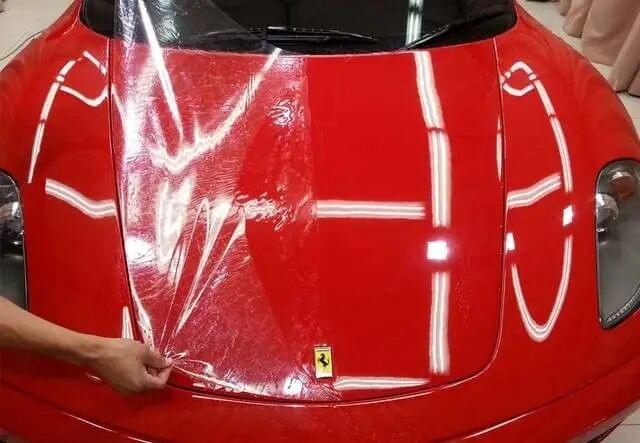
Compared to traditional waxing or glazing, PPF provides longer-lasting protection without harming your paint. It acts as an invisible shield, resisting grease, rain, and UV rays to keep your paint from yellowing or aging, even with long-term sun exposure.